What is Vraj Vaibhav Abhiyan?+
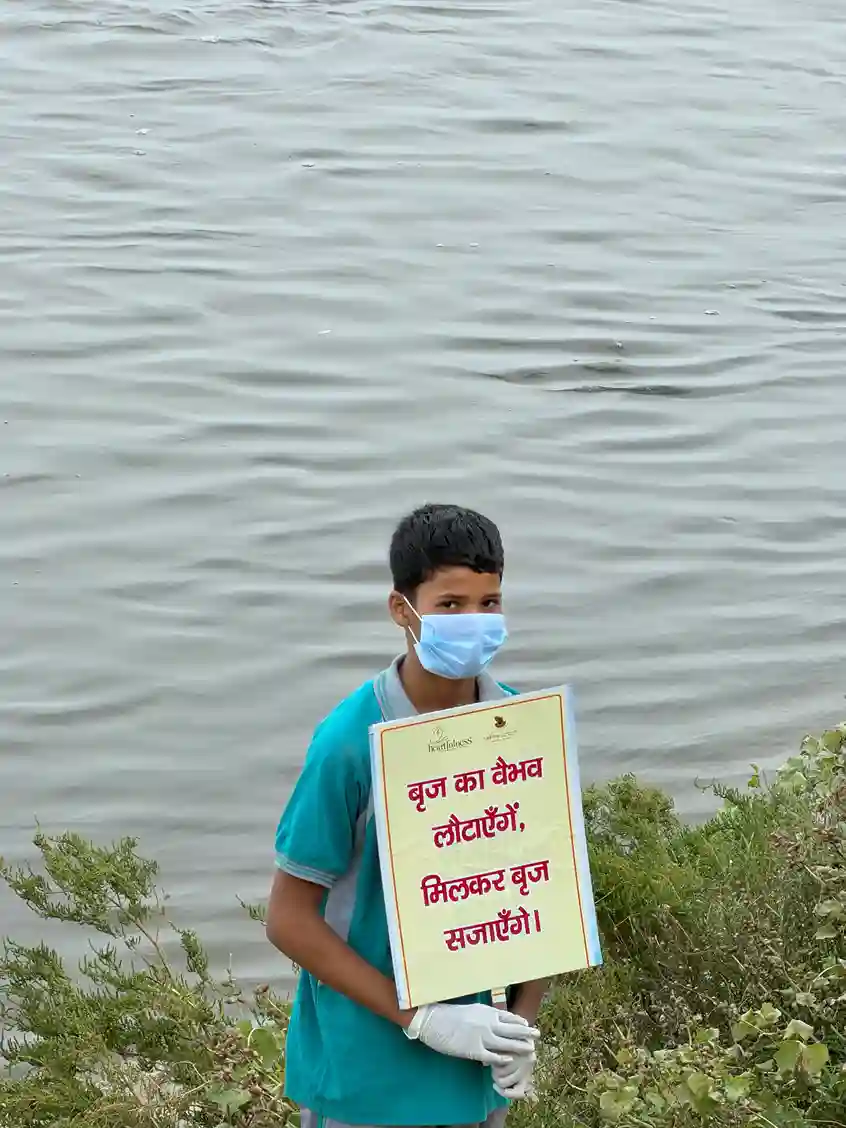
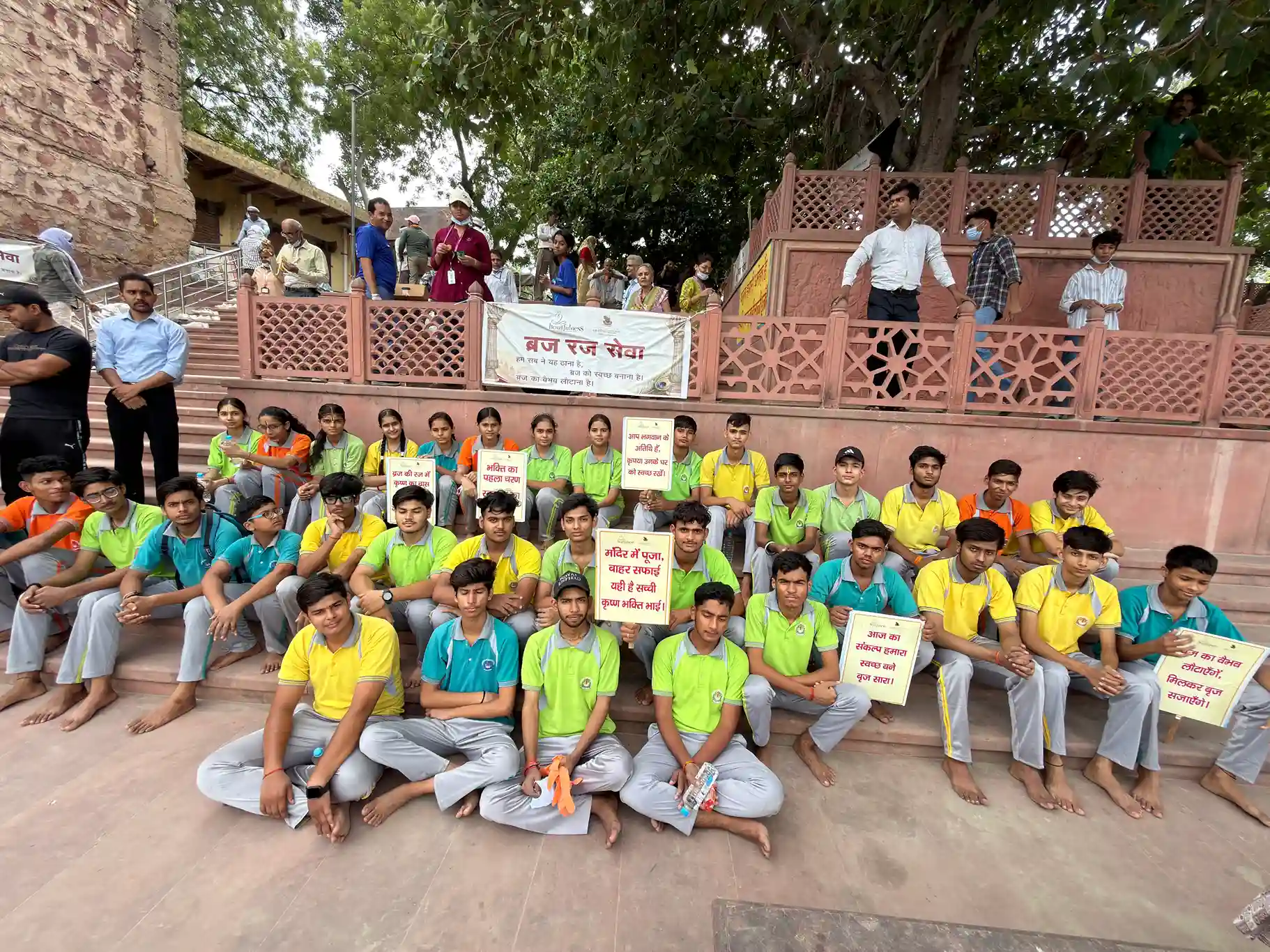
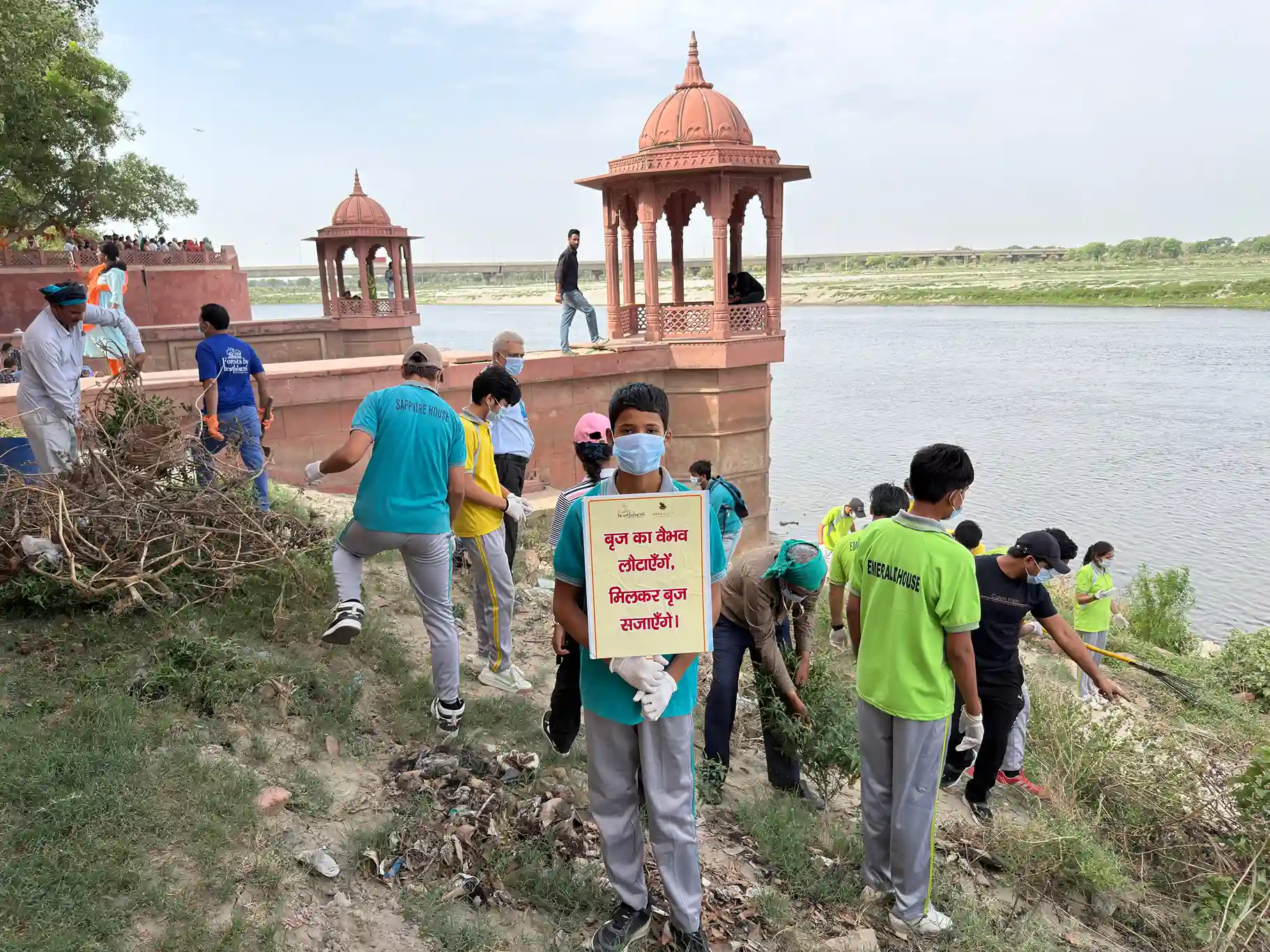
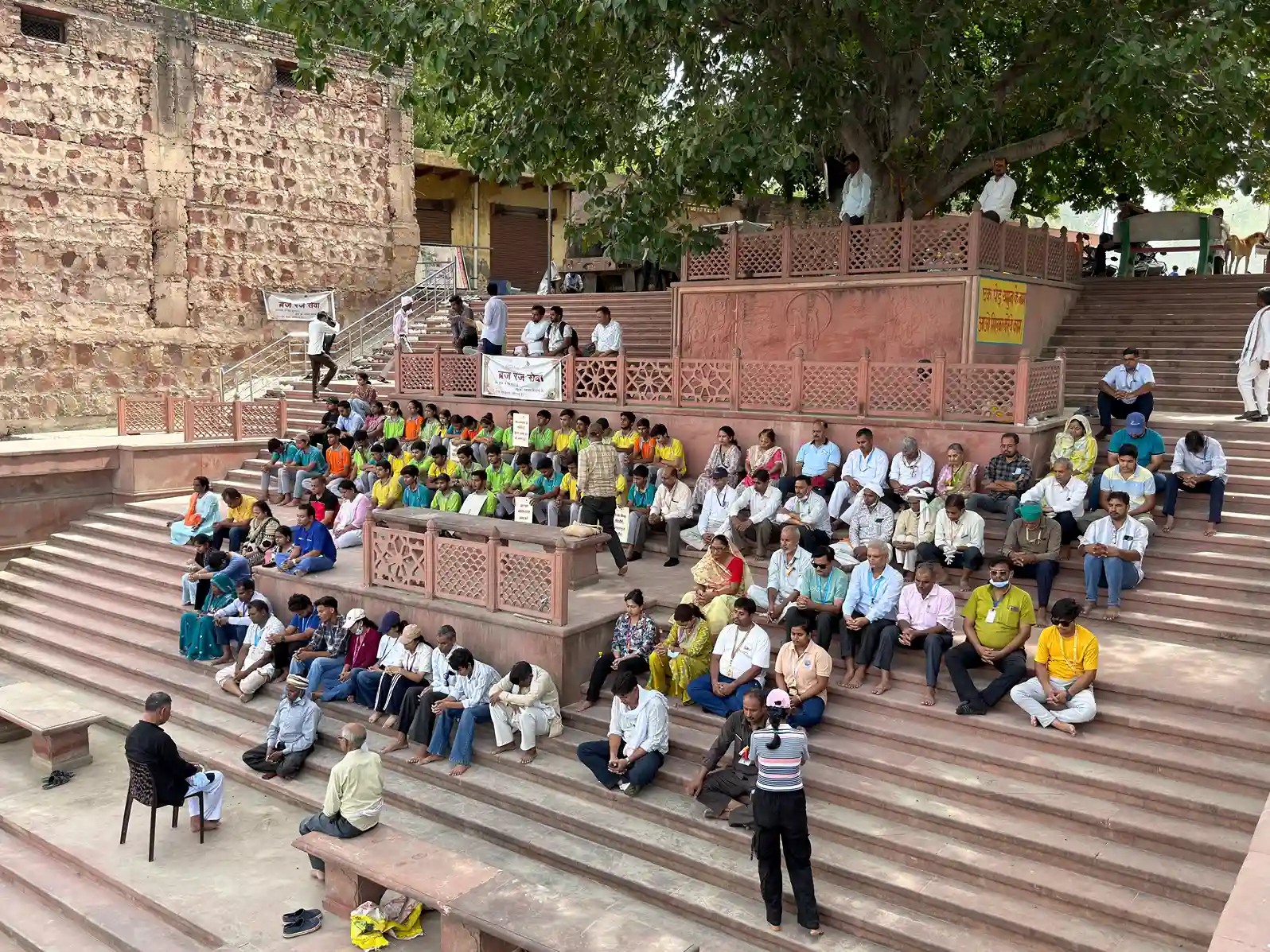
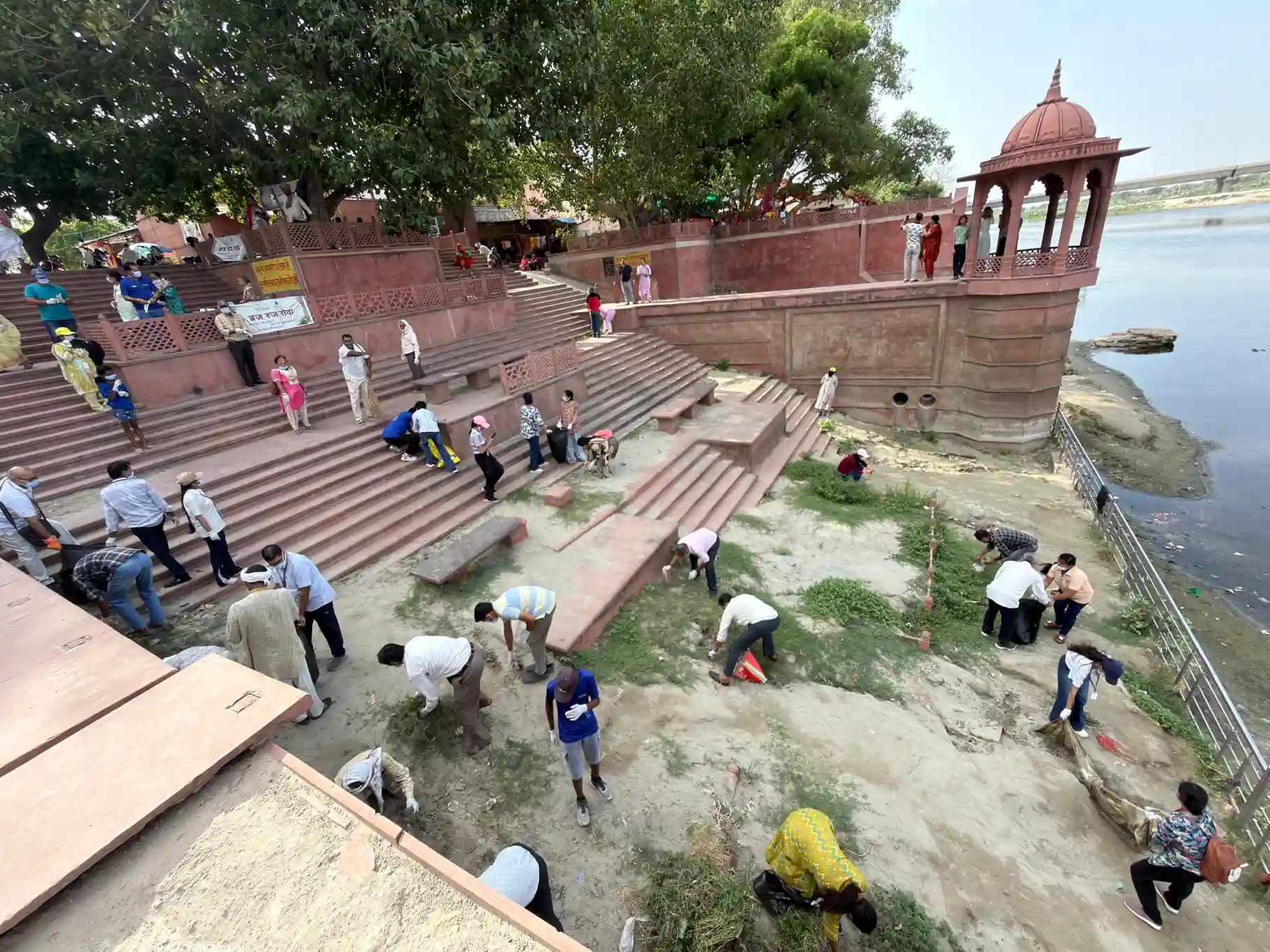
Vraj Vaibhav Abhiyan is a sacred ecological and cultural revival initiative led by Heartfulness. Our mission is to restore the 12 sacred forests (Vans) and the holy water bodies (Kunds) of Vraj Kshetra — the divine playground of Lord Krishna spanning Mathura, Vrindavan, Govardhan and Barsana — through scientific reforestation, water body restoration, and community-led seva drives.
Why is this restoration urgent?+
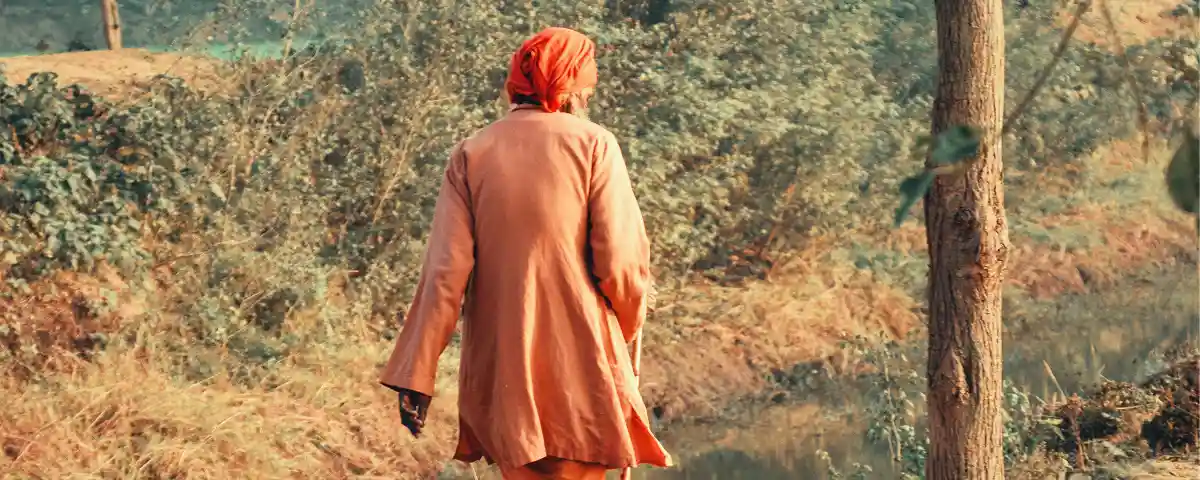
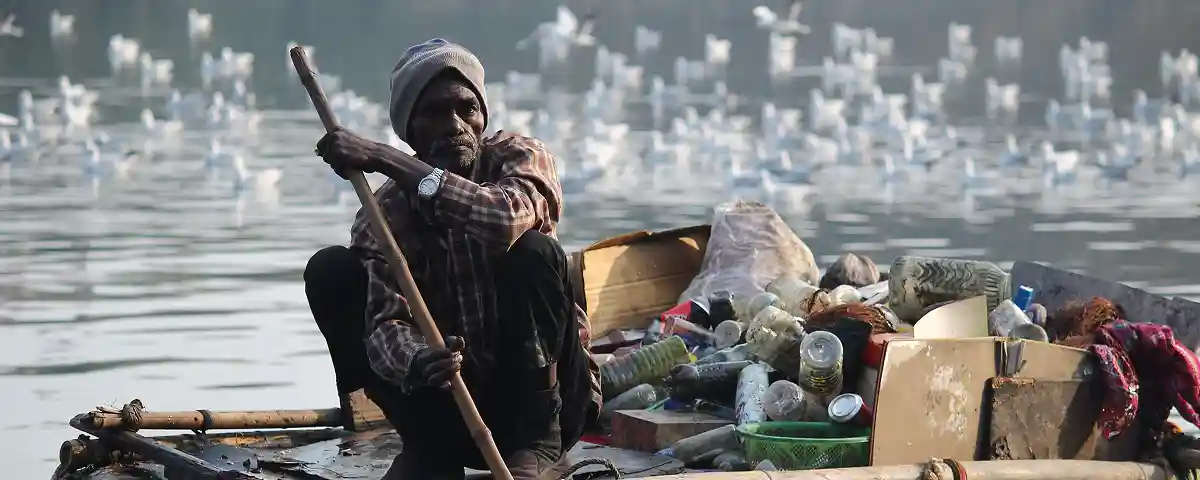
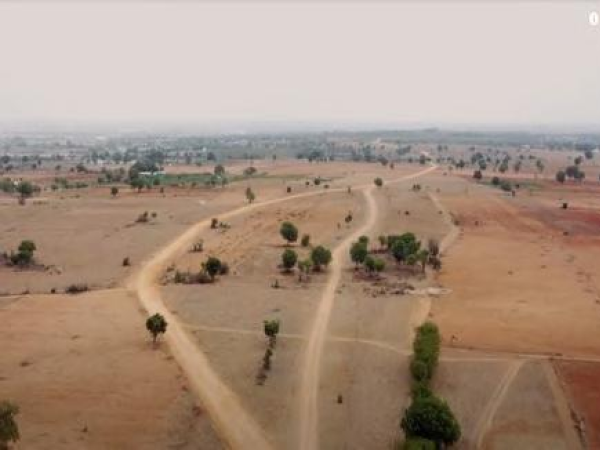
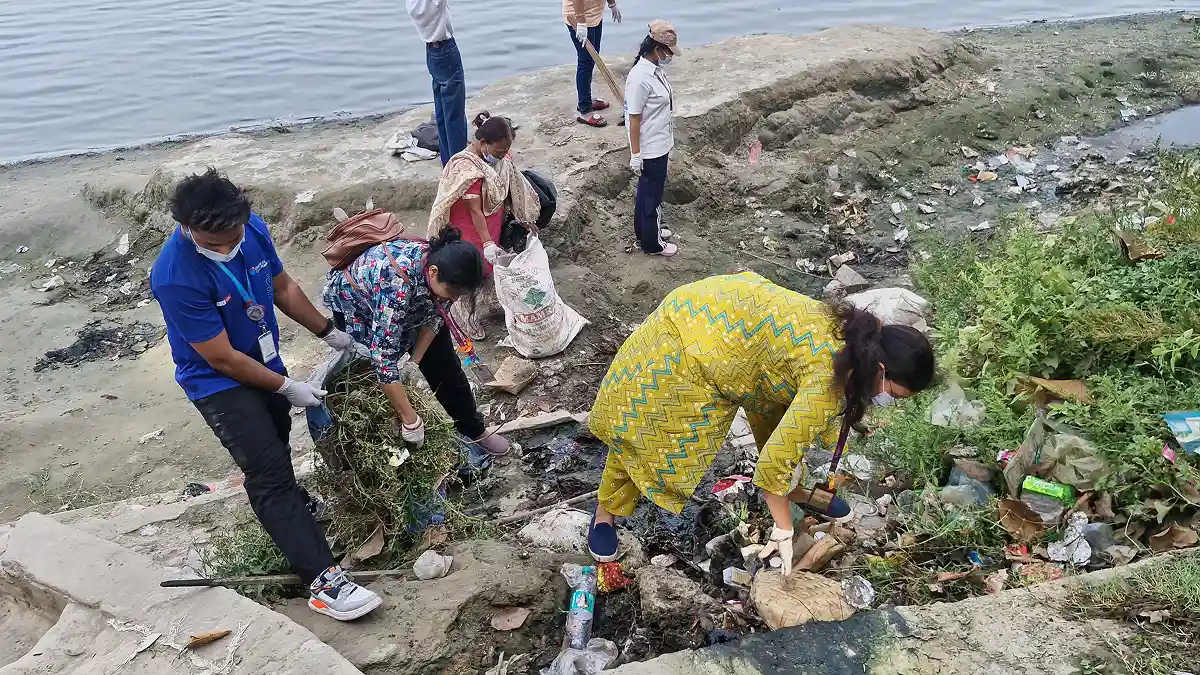
Over 70% of Vraj's indigenous tree cover has been lost to urbanisation and encroachment. More than 80% of the sacred Kunds — where pilgrims have bathed for thousands of years — are now severely polluted with industrial effluents, plastic, and untreated sewage. Saints and devotees today find themselves unable to perform age-old rituals due to foul odours and toxic conditions. Without urgent intervention, irreplaceable spiritual and ecological heritage will be lost permanently.
What is Heartfulness's track record in ecological restoration?+
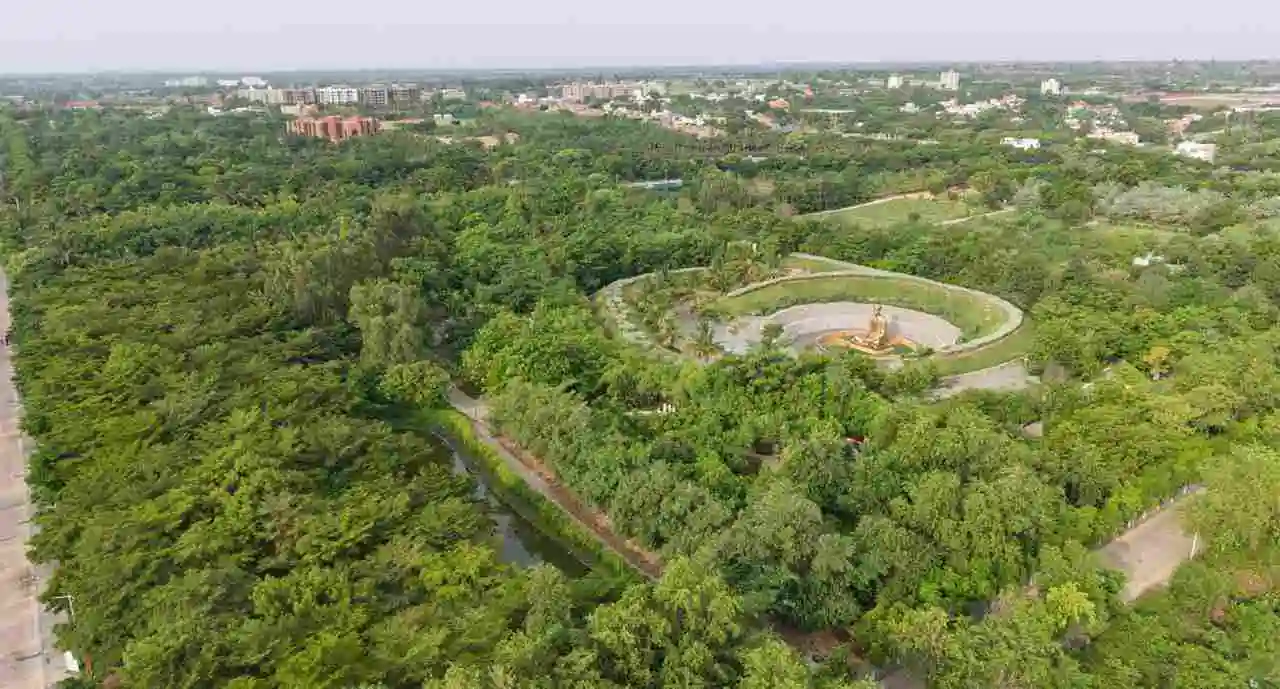
Heartfulness has successfully transformed the completely barren, rocky terrain at Kanha Shanti Vanam (Hyderabad) into a thriving 5-acre mini-rainforest hosting 1,500+ plant species and 200+ bird species — in under a decade. We used Miyawaki dense reforestation, traditional seed-ball techniques, and scientific soil bioremediation. We are bringing every one of these proven methods to Vraj, adapted to its sacred indigenous flora including Kadamba, Parijata, Tamala, Bel and Ashoka.
Can I volunteer even if I live outside India?+
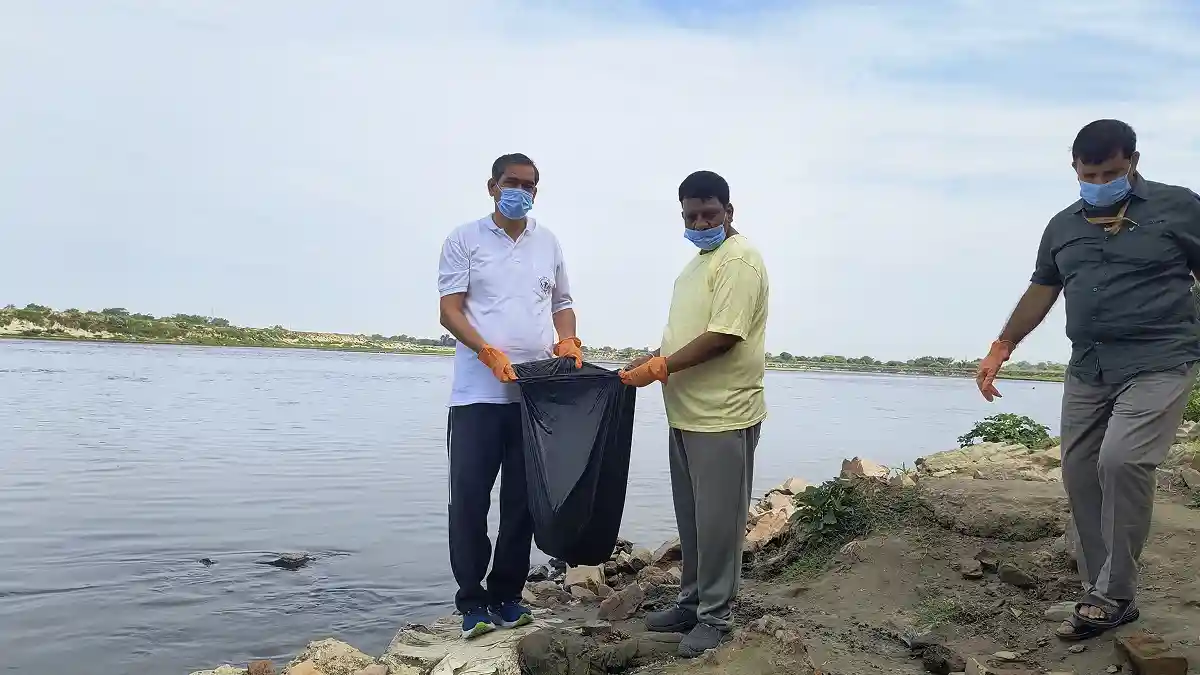
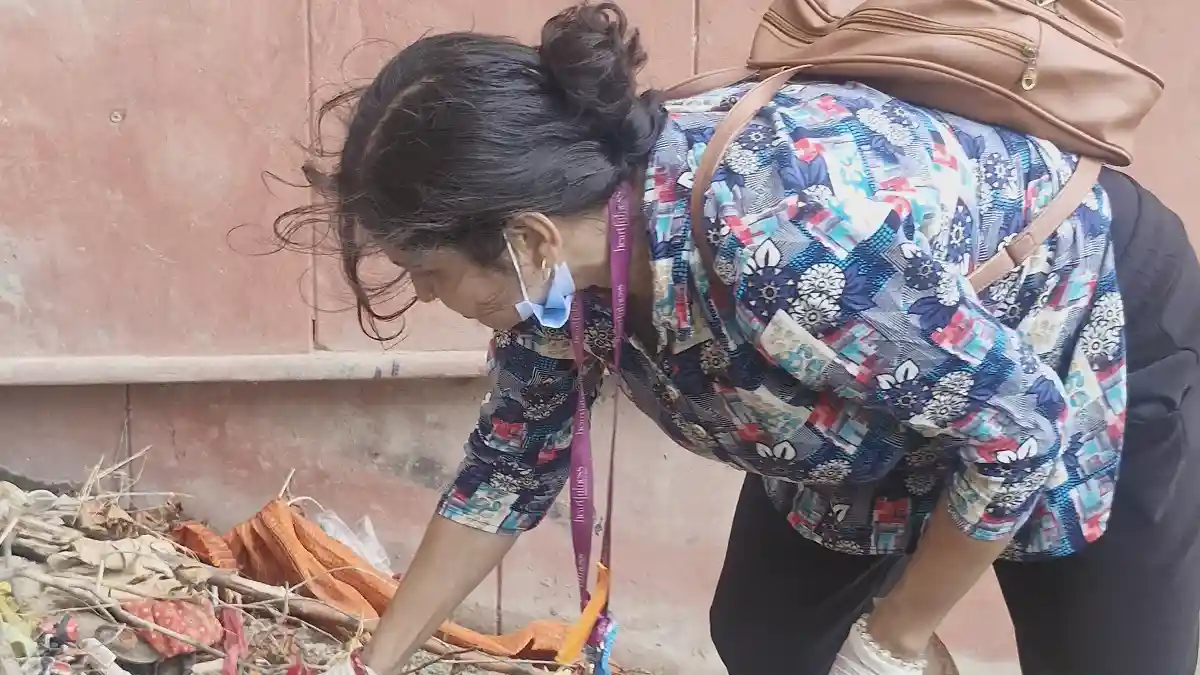
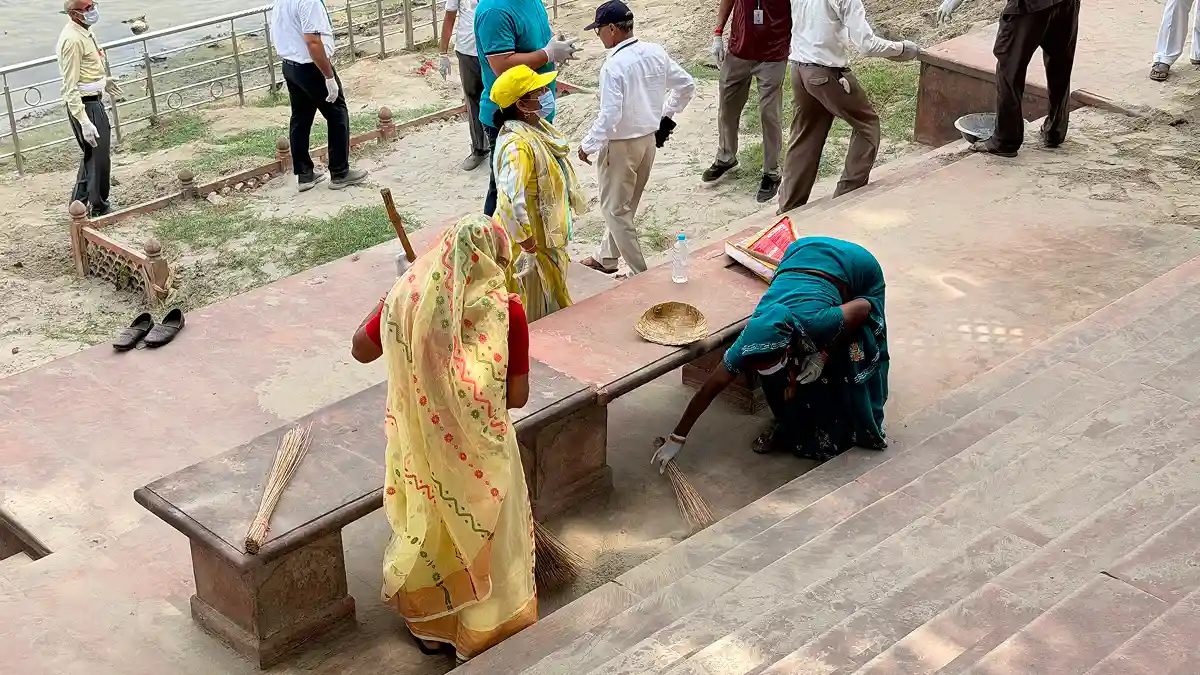
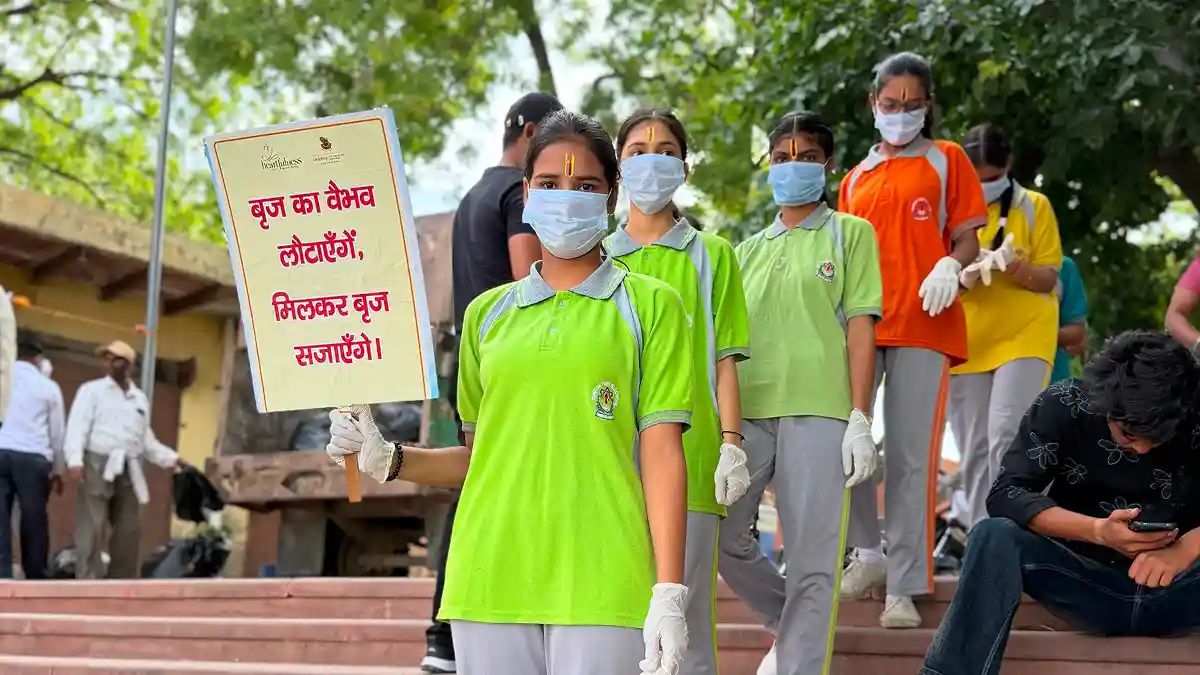
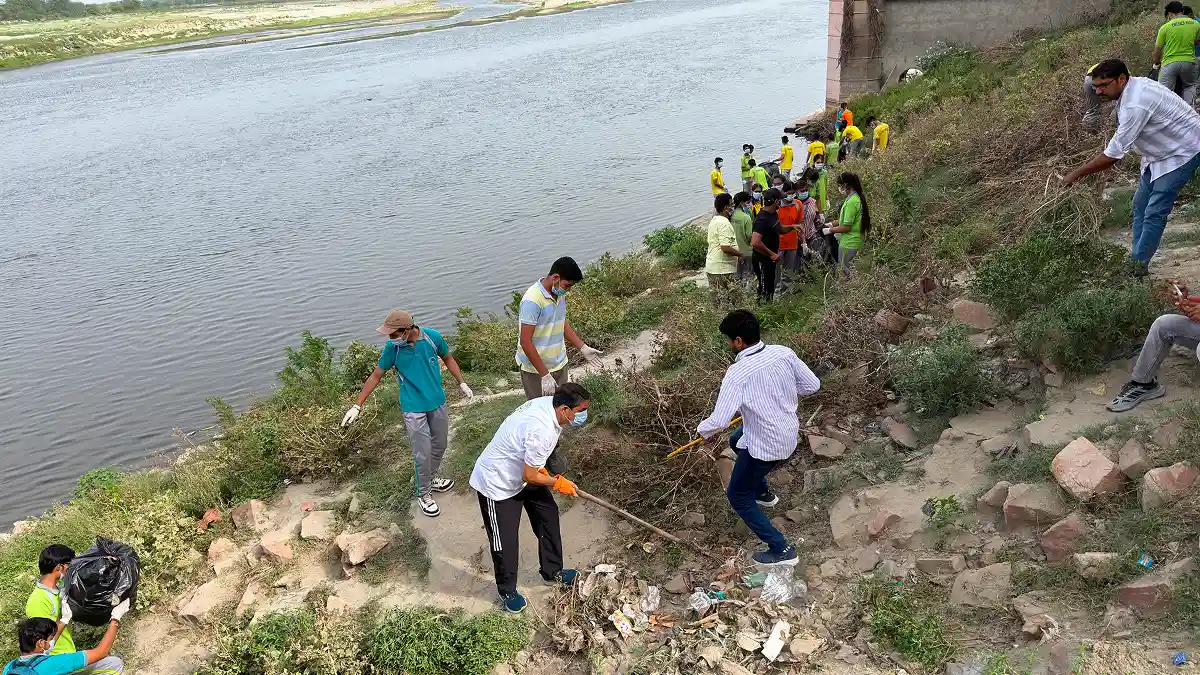
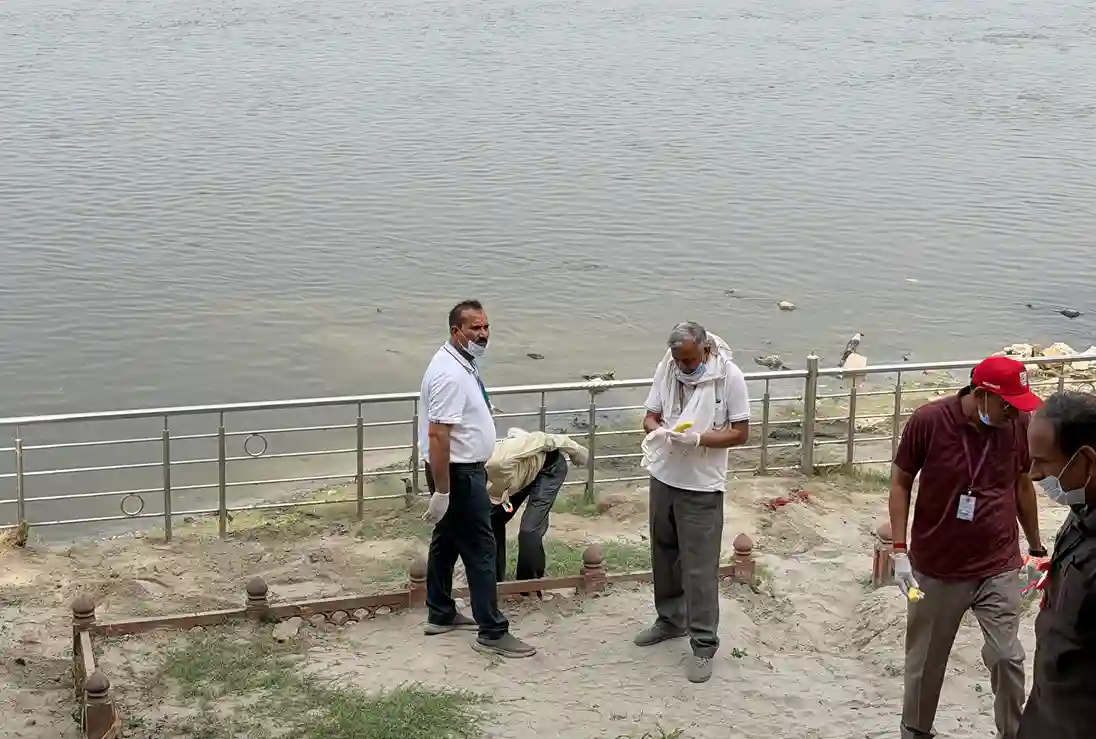
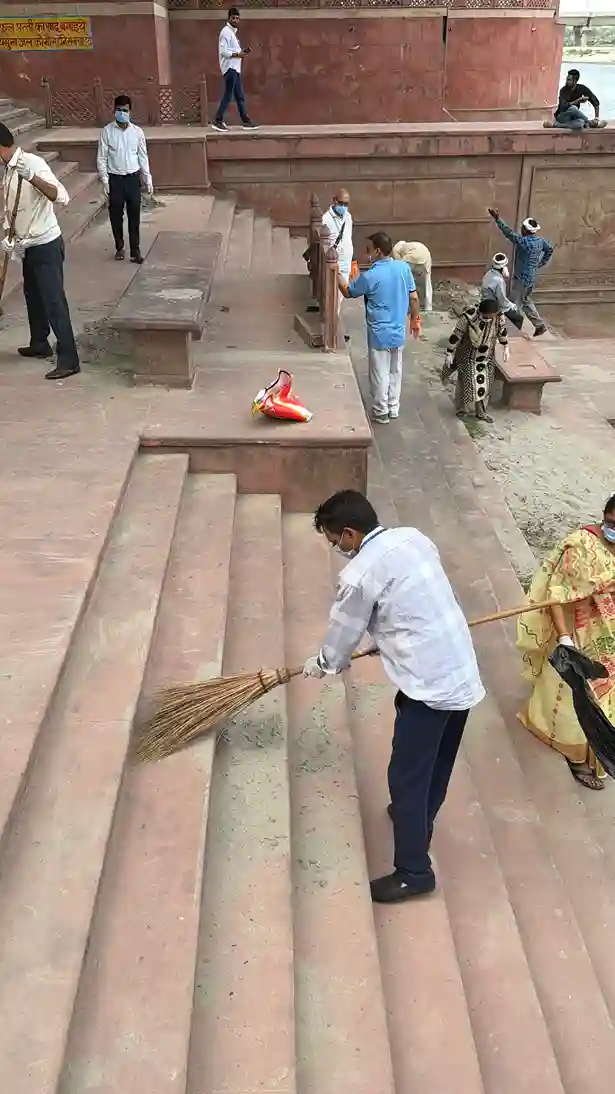
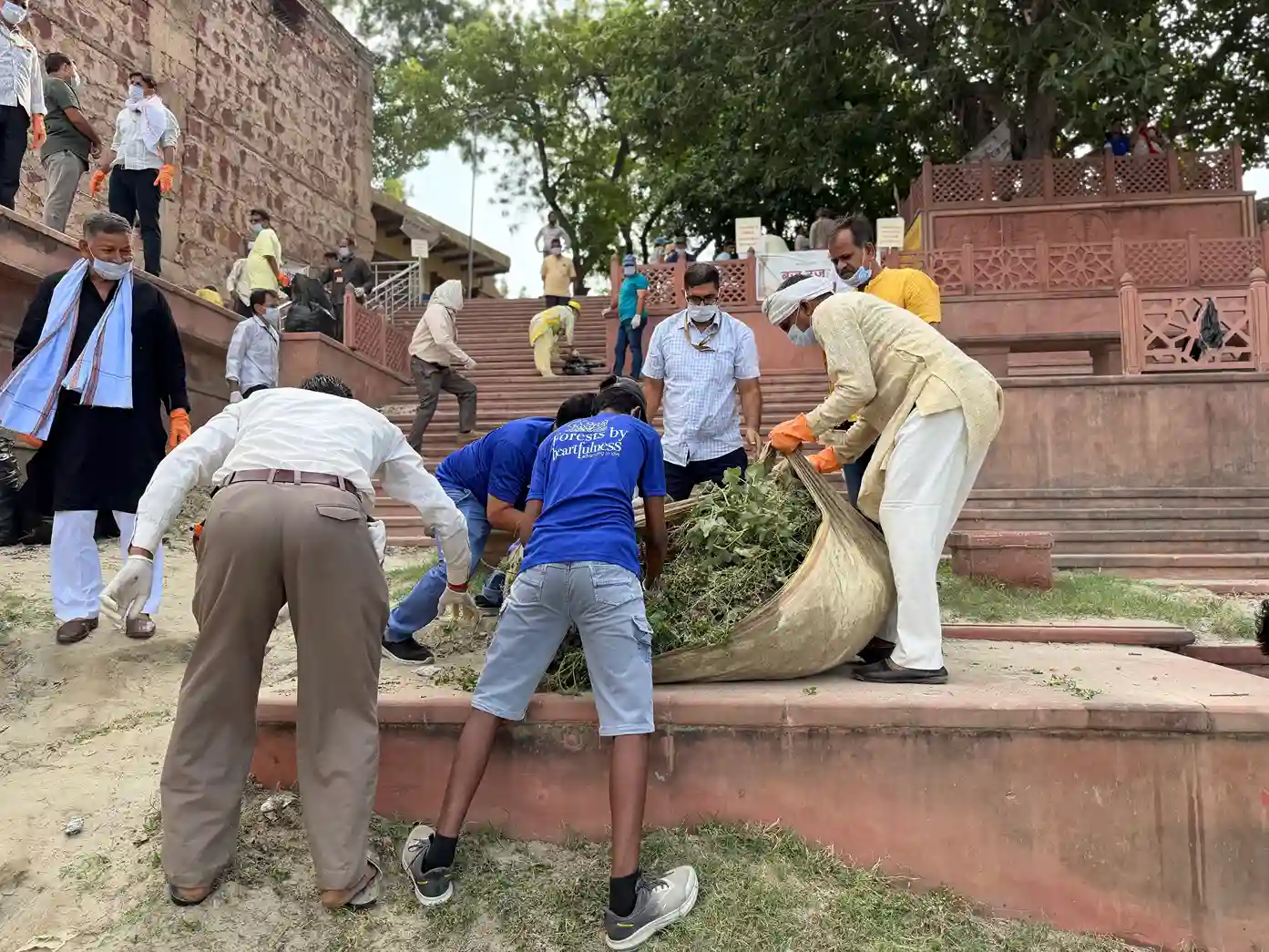
Absolutely. We welcome both on-ground and remote volunteers from around the world. If you can travel to Vraj, you can join tree plantation drives, Kund clean-up camps, and parikrama seva drives. If you are based abroad, you can contribute your professional skills — water treatment expertise, botanical knowledge, content creation, IT, fundraising coordination and more — from wherever you are.
What are the 12 Sacred Forest (Vans) and why do they matter?+
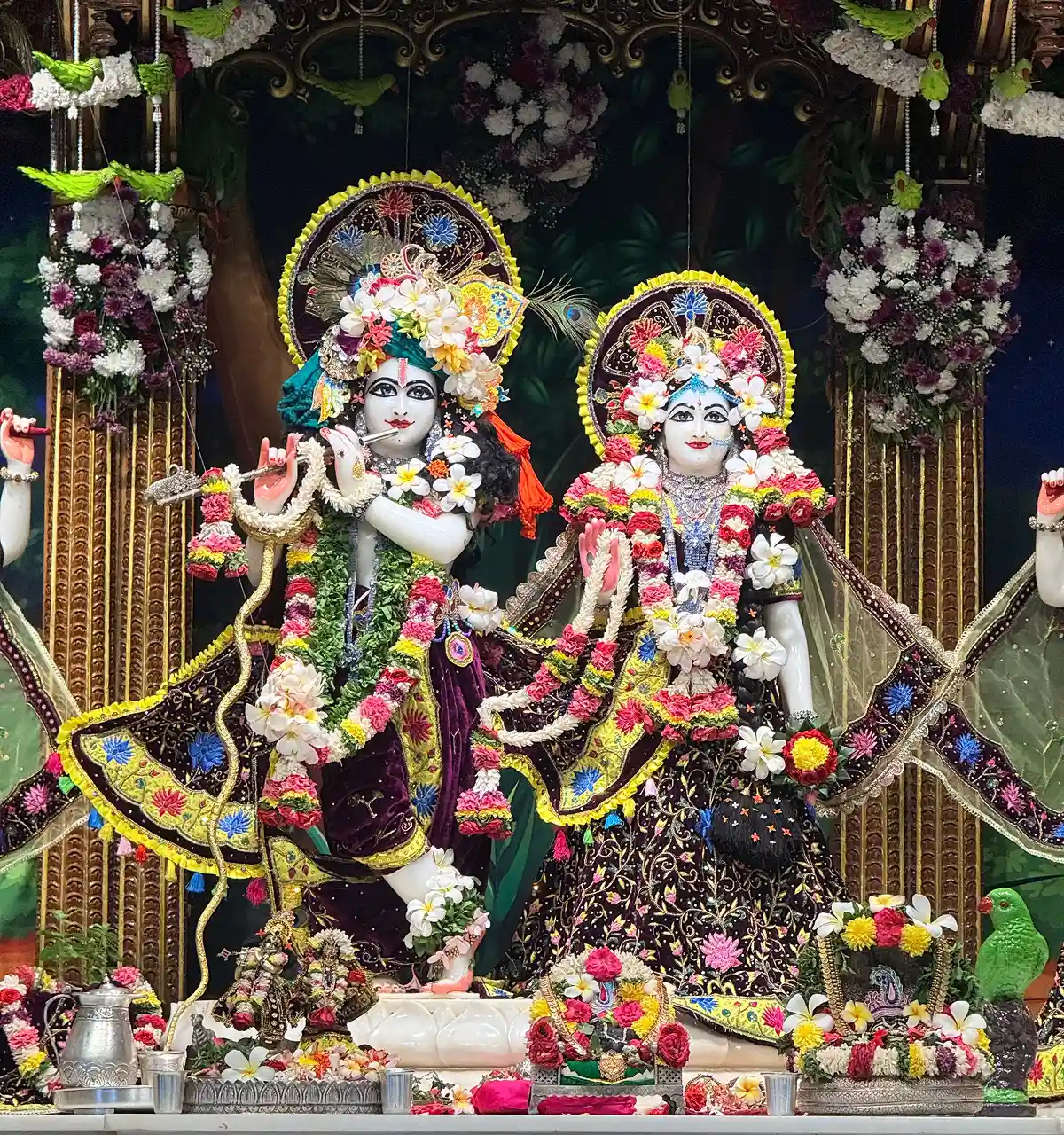
The 12 Vans (sacred forests) of Vraj — including Vrindavan, Mahavan, Kamyavan, Madhavan, Kumudvan and others — are the living canvas of Lord Krishna's divine leelas described in the Bhagavata Purana. For centuries, saints like Chaitanya Mahaprabhu, Swami Haridas and Mirabai meditated and experienced the highest states of divine love in these forests. Today, most are critically degraded — stripped of their indigenous trees, encroached upon by construction, and choked with waste.
What is a Kund, and which ones are being restored first?+
A Kund is a sacred water body — a tank or lake — considered holy in Vaishnava tradition. Radha Kund and Shyam Kund are the most revered, where millions of pilgrims gather especially during Kartik season. Both now contain dangerously high levels of heavy metals and coliform bacteria. Our Phase 1 restoration targets Radha Kund, Shyam Kund, and the Govardhan Kunds through desilting, sewage interception, and bioremediation.
Is Vraj Vaibhav Abhiyan affiliated with any religious body?+
Vraj Vaibhav Abhiyan is led by Heartfulness, a global non-profit organisation focused on meditation, wellbeing, and ecological consciousness. While the initiative is deeply inspired by the spiritual heritage of Vraj, it is open to volunteers and supporters of all faiths and backgrounds. The restoration work is scientific, community-driven, and guided purely by love for this sacred land and its ecological future.